How to plan a local trade show or vendor expo
A good expo works for exhibitors and visitors at the same time. Here is how to plan both sides.
4 min read · By the Everest team · Updated November 2026
Plan a trade show by defining who it serves, setting exhibitor packages and prices, drawing a floor plan with standard booths and wide aisles, confirming power, load-in and insurance rules, then marketing hard to visitors. Most regional expos need four to six months of planning and sell booths first, because exhibitor revenue funds the event.
- Sell booths first; exhibitors fund the event.
- Standard 10 × 10 ft booths with aisles of about 8 to 10 ft.
- Confirm power, load-in times and insurance before selling.
What should you decide first?
- Audience: consumers, trade buyers or both?
- Theme: a wedding expo, home show, business fair, community market or career fair.
- Format: one day or two, ticketed or free entry.
- Size: how many exhibitors and visitors you can realistically attract.
How do you set exhibitor packages?
| Package | Typical inclusions |
|---|---|
| Standard booth | 10 × 10 ft space, table, two chairs, listing in the programme |
| Corner or premium booth | Higher-traffic location, extra visibility |
| Double booth | 10 × 20 ft for larger displays |
| Sponsor | Prime location, signage, stage mention, branding on materials |
| Add-ons | Power, extra tables, internet, lead scanning |
Price booths so that exhibitor revenue covers the venue and core costs, with sponsorships and any ticket sales covering marketing and extras.
How do you lay out the floor plan?
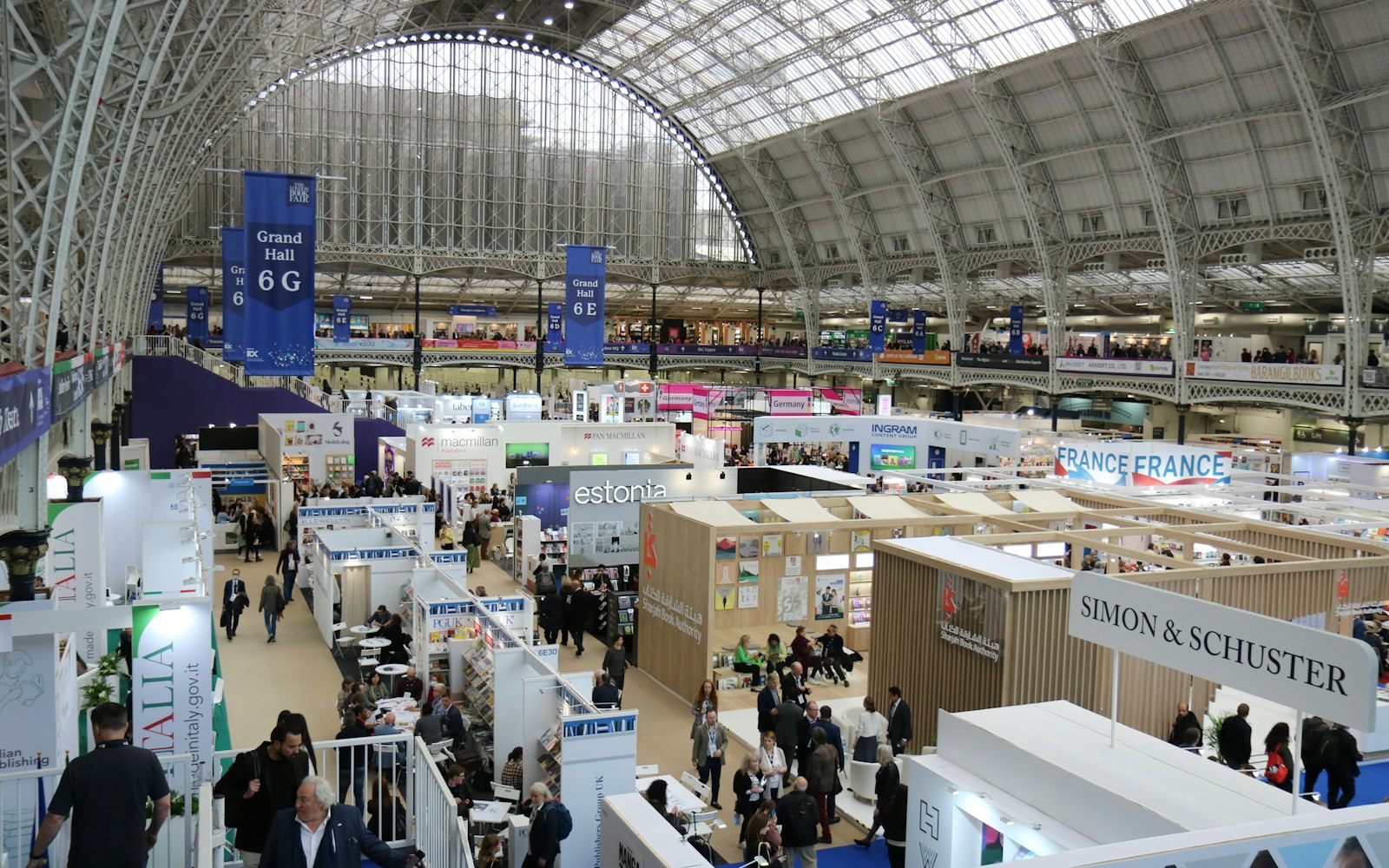
- Use a standard booth size, commonly 10 × 10 ft, so the plan stays flexible.
- Keep main aisles about 8 to 10 feet wide so visitors can stop without blocking others.
- Place a draw, such as a stage, food area or feature display, at the back to pull visitors through.
- Spread competing exhibitors apart.
- Leave clear routes to exits, as your venue’s fire plan requires.
What logistics do exhibitors need?
- Load-in and load-out: times, doors and where vehicles can unload.
- Power: which booths have it and what each outlet supports.
- Insurance: many venues and organizers require exhibitors to carry liability insurance.
- Rules: food sampling, open flames, music volume and booth height.
- Exhibitor guide: one document with all of this, sent two to three weeks before.
How do you attract visitors?
- Ask every exhibitor to promote the show to their own customers.
- Use local media, community calendars and social ads aimed at your area.
- Offer a reason to come: prizes, demos, talks or show-only deals.
- Make parking, entry and opening hours clear on every promotion.
What is a typical timeline?
| When | Tasks |
|---|---|
| 6 months out | Book the venue, set packages, open exhibitor sales |
| 4 months out | Sign sponsors, confirm floor plan and power |
| 2 months out | Launch visitor marketing, plan the stage programme |
| 3 weeks out | Send the exhibitor guide, confirm volunteers |
| Day before | Mark booth spaces, set signage, exhibitor load-in |
Everest hosts trade shows and vendor expos in our 80 × 95 ft hall, with catering for exhibitors and visitors. Ask us for a booth plan for your exhibitor count.
Quick answers
How big is a standard trade show booth?
Commonly 10 by 10 feet, with 10 by 20 feet for double booths.
How wide should trade show aisles be?
About 8 to 10 feet for main aisles, subject to the venue’s fire plan.
How far ahead should you plan a trade show?
Four to six months for a regional expo, longer for large shows.
Do exhibitors need insurance?
Many venues and organizers require exhibitors to carry liability insurance. Check your venue’s rules.
How do you price trade show booths?
Price so exhibitor revenue covers the venue and core costs, with premium and corner booths priced higher.
Planning an expo in Southwestern Ontario?
Our open hall, load-in access and kitchen make vendor shows simple to run. Ask for a booth plan.