What is a Pasni? Planning a Nepali rice feeding ceremony
A baby’s first taste of rice is one of the happiest days in a Nepali family. Here is what happens and how to plan it.
4 min read · By the Everest team · Updated November 2026
A Pasni, also called Annaprashan, is the Nepali ceremony where a baby is fed rice for the first time, usually around five or six months old. A priest often chooses an auspicious date, an elder feeds the baby a little rice pudding, family members give blessings with tika and gifts, and the day ends with a meal for relatives and friends.
- Usually held at about five months for girls and six months for boys, though families vary.
- An elder, often a grandparent or maternal uncle, gives the first taste.
- Guests typically bring a gift, money or jewellery for the baby.
What is a Pasni?
Pasni is the Nepali rice feeding ceremony, known in Sanskrit as Annaprashan, which means “feeding of grain”. It marks the moment a baby begins eating solid food and is one of the important early life ceremonies in many Hindu Nepali families. It is a joyful family occasion that combines blessings, a short ritual and a celebration meal.
Customs differ between families, communities and regions, so treat this as a general guide and follow the traditions your own family keeps.
When is a Pasni held?
Many families hold the Pasni at around five months for a girl and six months for a boy, though some choose a different month. A family priest or astrologer often selects an auspicious date and time, called the sait. Because the date is chosen this way, families sometimes plan the celebration only a few weeks in advance, which matters when booking a venue.
What happens during the ceremony?
- Puja and blessings. The ceremony often begins with a short puja led by a priest or an elder.
- Dressing the baby. The baby wears new traditional clothes and jewellery, often gifts from relatives.
- The first taste. An elder, commonly a grandparent or the baby’s maternal uncle, feeds the baby a small amount of rice, often rice pudding (kheer), sometimes using a silver spoon or coin.
- Choosing an object. In many families, items such as a book, pen, money, jewellery or a little soil are placed in front of the baby. Whatever the baby reaches for is playfully said to hint at their future.
- Tika and gifts. Relatives apply tika, offer blessings and give gifts or money.
- The meal. Everyone sits down to a celebration meal.
What food is served at a Pasni?
The baby’s portion is symbolic, but the meal for guests is generous. Families often serve a full spread: rice, dal, curries, vegetables, pickles (achar), sweets and sel roti. Some families also offer a selection of foods to the baby as part of the ritual. If you are hosting many guests, a buffet or family-style service keeps the meal relaxed. Our kitchen cooks Nepali cuisine alongside other dishes your guests love.
What should guests bring and wear?
- Gifts: money in an envelope, a small piece of gold or silver jewellery, baby clothes or a toy are all common.
- Clothing: smart or traditional clothes; bright colours are welcome.
- Timing: arrive for the ritual if you can, since the first taste happens early and is the moment everyone wants to see.
How do you plan a Pasni celebration?
| Decision | Things to consider |
|---|---|
| Date and time | Confirm the auspicious time with your priest before booking anything |
| Guest count | Close family only, or the wider community? Counts of 80 to 200 are common for larger families |
| Space | A clear area for the puja, seating for elders and room for photos |
| Food | Traditional dishes, a sweet for the ritual, and options for children |
| Extras | Photographer, a decorated backdrop and a quiet room for the baby to rest |
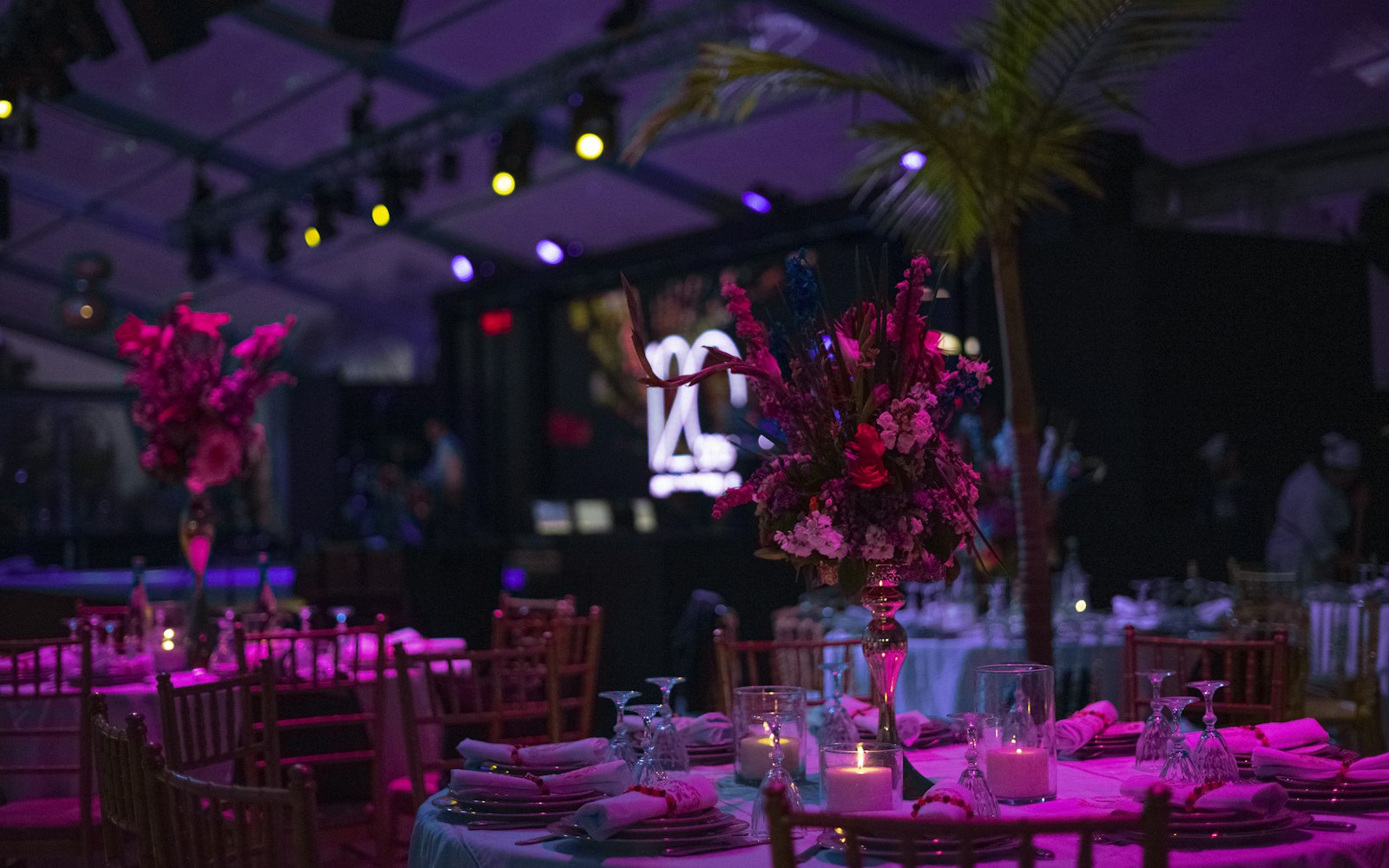
For a large family gathering, a banquet hall gives you space for the puja, the meal and the photos in one room. Everest hosts family celebrations from 40 to 375 guests, with in-house chefs and our own décor team.
Quick answers
What is the difference between Pasni and Annaprashan?
They are the same ceremony. Pasni is the common Nepali name and Annaprashan is the Sanskrit name.
At what age is a Pasni done?
Commonly around five months for girls and six months for boys, on a date chosen by a priest, though families vary.
Who feeds the baby first at a Pasni?
Usually an elder, such as a grandparent or the baby’s maternal uncle.
What do you give as a Pasni gift?
Money, a small piece of gold or silver jewellery, clothes or a toy are all common gifts.
Can a Pasni be held at a banquet hall?
Yes. Many families hold the puja and the celebration meal in one space so elders and guests stay comfortable.
Planning a family celebration?
Our chefs cook Nepali dishes and any other cuisine your family loves, for gatherings from 40 to 375 guests.